
Best Practices for Accepting Government Purchase Cards (GPC)
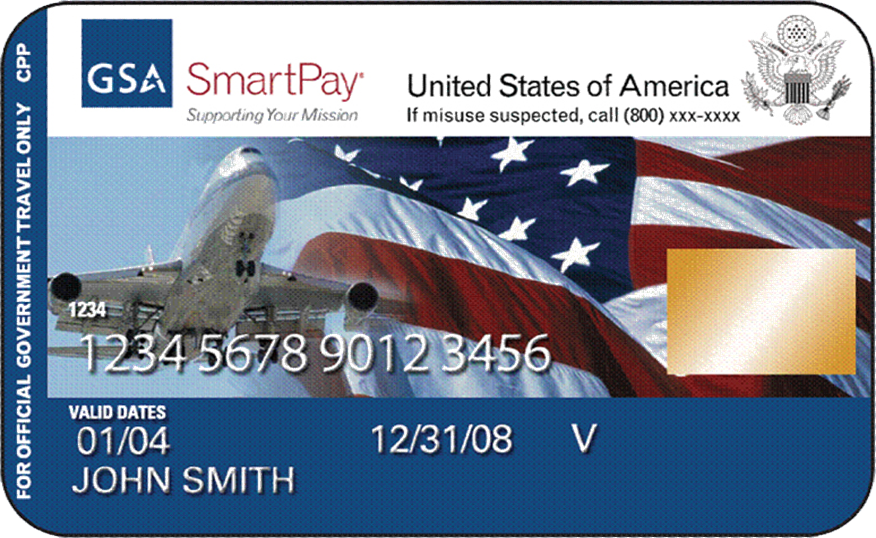
Accepting Government Purchase Cards (GPC) can be an excellent opportunity for businesses that sell products and services to federal government agencies. However, accepting a Government Purchase Card is different from processing an ordinary consumer credit card. The way the transaction is set up, processed and submitted can have a significant impact on your interchange costs.
If your business is accepting Government Purchase Cards, commercial cards or other Business-to-Government (B2G) payments, following the right processing practices can help reduce unnecessary interchange costs while making it easier to do business with government agencies.
Updated September 2026: Visa has made significant changes to the way commercial and government card transactions qualify for enhanced interchange rates. Mastercard continues to support Level 2 and Level 3 processing, while Visa now uses its newer commercial enhanced-data programs. The best practices below have been updated to reflect today’s payment environment.
1. Make Sure You’re Set Up for Accepting Government Purchase Cards
If your business already accepts Visa and Mastercard, you’re generally able to accept GSA SmartPay Government Purchase Cards.
However, simply accepting Government Purchase Cards doesn’t necessarily mean those transactions are qualifying at the best available interchange rates.
The way your merchant account is configured, the payment technology you’re using and the transaction information being transmitted can all affect the ultimate cost of accepting the card.
Businesses processing a significant amount of GPC transactions can learn more about our Government Purchase Card processing solutions through Revolution Payments.
2. Include Enhanced Data When Accepting Government Purchase Cards
One of the most important considerations when accepting Government Purchase Cards is the additional transaction data being transmitted to Visa and Mastercard.
Historically, this has commonly been referred to as Level 2 and Level 3 processing.
Today, the programs differ between the two card brands.
Visa did away with Level 2 for business cards and replaced its traditional Level 3 commercial card qualification with newer enhanced-data requirements, including its Commercial Enhanced Data Program (CEDP) and Product 3 qualification.
Mastercard continues to support Level 2 and Level 3 processing for eligible commercial card transactions.
Although the Visa programs have changed, the basic principle remains the same:
Providing the correct enhanced transaction data can significantly reduce interchange costs on eligible commercial, B2B and B2G transactions.
For government contractors and other businesses accepting GPC transactions, this can make a substantial difference in the overall cost of accepting credit cards.
3. Automate Level 3 Processing and Enhanced Transaction Data
Enhanced commercial and Government Purchase Card processing can require additional transaction information such as:
- Invoice or purchase order information
- Product descriptions
- Quantities
- Unit costs
- Tax information
- Customer or order information
- Additional line-item transaction details
Manually entering this information with every transaction can be time-consuming and increases the possibility of missing or incorrect data.
That’s why businesses accepting Government Purchase Cards should consider using a payment gateway or integrated payment solution capable of automatically supplying the appropriate enhanced transaction data whenever possible.
Businesses looking to automate this process can learn more about our Level 3 processing solutions at Revolution Payments.
4. Understand the Interchange Cost of Accepting Government Purchase Cards
This is probably one of the most misunderstood areas of Government Purchase Card processing.
The rate your credit card processor charges is only one component of your total processing cost.
A substantial portion of the overall cost of accepting Government Purchase Cards and commercial credit cards can come from interchange and card-brand fees rather than your processor’s markup.
That’s important because interchange qualification occurs separately from the rate your processor adds.
As a result, two businesses can have essentially the same processor pricing while paying significantly different overall processing costs based on how their transactions are qualifying at the interchange level.
For companies processing a large amount of government, corporate, commercial and purchasing cards, those differences can become significant.
5. Make Sure Government Purchase Card Transactions Are Settled Properly
The timing and manner in which a Government Purchase Card transaction is authorized and submitted for settlement can affect interchange qualification.
Businesses should make sure transactions are being properly authorized, captured and settled according to the applicable card-brand requirements.
Rather than relying on old blanket rules about when every transaction must settle, your payment system should be configured to meet the current requirements applicable to the specific card and interchange program.
Improper authorization or settlement can cause an otherwise eligible transaction to qualify at a more expensive interchange category.
6. Pay Attention to Authorization and Transaction Data
Missing or incorrect transaction information can cause eligible commercial and government card transactions to qualify at more expensive interchange rates.
This can include problems involving:
- Authorization information
- Transaction data
- Enhanced commercial card data
- Tax information
- Line-item detail
- Clearing and settlement information
When accepting Government Purchase Cards, the important question isn’t simply whether the transaction was approved.
The important question is how the transaction ultimately qualified at the interchange level.
Periodically reviewing actual interchange qualification is one of the best ways to determine whether your Government Purchase Card processing setup is working properly.
7. Use Interchange-Plus Pricing for Government Purchase Card Processing
We generally recommend interchange-plus pricing for businesses accepting Government Purchase Cards and other B2B and B2G transactions.
With interchange-plus pricing, the underlying interchange cost is passed through separately and the processor’s markup is added on top.
This makes it much easier to identify:
- Your processor’s actual markup
- The interchange categories your transactions are receiving
- Commercial-card downgrades
- Whether eligible transactions are receiving enhanced-data rates
- Opportunities to reduce unnecessary interchange costs
It also makes comparing payment processors easier because you’re able to separate the processor’s pricing from the underlying interchange expense.
8. Make Sure Your Merchant Category Code Is Correct
Your Merchant Category Code (MCC) identifies the type of business you’re operating and can affect both card acceptance and interchange qualification.
This can be particularly important when accepting Government Purchase Cards because government agencies may restrict certain merchant categories to prevent unauthorized purchases.
Your merchant account should therefore accurately reflect the products or services your company provides.
An incorrect MCC can potentially affect Government Purchase Card acceptance as well as how certain transactions are processed.
9. Understand Government Purchase Card Tax Requirements
Government Purchase Cards can also have different tax treatment from ordinary commercial transactions.
GSA SmartPay purchase accounts are centrally billed accounts, meaning the federal government makes direct payment. These transactions generally receive state sales-tax exemption treatment, although merchants should follow the requirements applicable to their jurisdiction and the specific transaction.
Businesses accepting Government Purchase Cards should therefore have procedures in place for properly identifying government transactions and handling applicable tax requirements.
This is another reason GPC transactions shouldn’t necessarily be processed exactly like an ordinary consumer credit card.
10. Work With a Payment Provider Experienced in Accepting Government Purchase Cards
Setting up a business for accepting Government Purchase Cards, commercial cards and B2B payments can be very different from setting up a traditional retail merchant account.
Your processor’s markup matters, but understanding how eligible transactions are qualifying at the interchange level can be even more important.
Changes to Visa’s commercial card programs have also made it increasingly important to use payment technology capable of supporting current enhanced-data requirements, while continuing to optimize eligible Mastercard Level 2 and Level 3 transactions.
At Revolution Payments, we specialize in Government Purchase Card processing, B2B and B2G payment optimization, Level 3 processing, enhanced transaction data and large-ticket transactions.
Are You Accepting Government Purchase Cards at the Lowest Available Cost?
If your company is accepting Government Purchase Cards or a significant amount of commercial, corporate or purchasing cards, we’d be happy to review how those transactions are currently qualifying.
Our no-obligation interchange audit can show you exactly how your transactions are qualifying today and whether there are opportunities to reduce your payment acceptance costs.
Have questions about accepting Government Purchase Cards? Give us a call at 888 790 3450 or email info@ revolution-payments.com Revolution Payments
|
|